If your paid ads aren’t delivering the leads or sales you expected, a PPC consultant can help. This guide is for Australian business owners, marketing managers, and decision-makers who want to understand how a PPC consultant can help maximize their Google Ads and paid media ROI. You’ll learn what a PPC consultant does, when to hire one, what services to expect, and how to choose the right partner.
We’ll cover the full scope of PPC consulting, including the platforms managed, the consulting process from audit to scale, key tactics for lowering costs and increasing ROI, how success is measured, and what to look for in a consultant. Whether you’re running campaigns yourself, working with an agency, or considering expert help for the first time, this guide will help you make informed decisions and get the most from your advertising budget.
What a PPC Consultant Actually Does (Answer this fast)
Let’s cut through the jargon. A PPC consultant is a digital marketing professional who specialises in pay per click (PPC) advertising—campaigns where advertisers pay each time someone clicks their ad. In Australia’s competitive 2026 landscape, this role has become essential for businesses serious about growth through Google Ads and other paid media channels.
PPC consultants help businesses increase targeted traffic, improve conversion rates, lower cost-per-click (CPC), and boost brand awareness through data-driven keyword research and campaign monitoring.
Unlike a generalist marketer who dabbles across everything from social posts to email newsletters, a dedicated PPC consultant focuses exclusively on planning, building, and optimising paid search, Shopping, and social campaigns to drive revenue—not just clicks.
Core Responsibilities
- Thorough keyword research to identify high-intent search terms with realistic bidding potential
- Campaign setup across platforms like Google Ads, Microsoft Advertising, and Meta
- Bidding strategy development (manual, automated, or hybrid approaches)
- Writing compelling ad copy and collaborating on creative assets
- Landing pages input to ensure clicks convert into enquiries or sales
- Conversion tracking configuration via Google Analytics and platform-specific tools
- Regular reporting with actionable insights tied to business goals
What separates a consultant from a “set-and-forget” agency? Hands-on involvement. A good consultant monitors your PPC accounts regularly, makes data-driven strategy adjustments, and takes personal accountability for ROI rather than hiding behind generic monthly reports.
Common Platforms Managed
| Platform | Primary Use Case |
|---|---|
| Google Ads | Search, Shopping, YouTube, Display, Performance Max |
| Microsoft Advertising | Bing Ads for B2B, government, finance audiences |
| Meta (Facebook/Instagram) | Social media advertising, retargeting, awareness |
| LinkedIn Ads | B2B lead gen targeting job titles and industries |
| YouTube | Video ads for brand awareness and remarketing |
Google Ads is the most popular PPC network, allowing businesses to create text or banner ads that appear alongside search results.
The immediate value? Most businesses see faster lead flow, better quality enquiries, and reduced wasted ad spend within the first 60–90 days of working with an experienced consultant.

Now that you know what a PPC consultant does, let’s explore why working with one is often a smarter choice than going it alone.
Why Work With a PPC Consultant Instead of Going It Alone?
The DIY Scenario
Picture this: you’re a Melbourne-based trades business owner. You’ve set up a Google Ads account, chosen some keywords related to your services, and you’re spending $3,000 a month. But the phone isn’t ringing with quality jobs—just tyre kickers and people looking for DIY tutorials.
This scenario plays out constantly across Australian SMBs attempting DIY PPC campaigns.
The Hidden Complexity
Online advertising looks deceptively simple on the surface. Google practically begs you to “get started in minutes.” But beneath that friendly interface lies an auction-based system where success depends on:
- Quality Score: Google’s metric combining expected click through rate, ad relevance, and landing page experience. A high Quality Score can reduce your cost per click by up to 50%.
- Match types: Exact, phrase, and broad match keywords behave completely differently—and misusing them drains budgets fast.
- Conversion tracking: Without proper setup, you’re flying blind on what’s actually generating leads.
- Attribution models: Understanding which touchpoints deserve credit for conversions, especially in longer sales cycles.
The Cost of Common Mistakes
Research suggests non-experts typically overspend by 30-50% due to preventable errors:
- Broad match keywords triggering irrelevant search results
- No negative keyword lists to block wasteful traffic
- Poor location settings showing ads to people outside your service area
- Missing conversion tracking, making optimisation impossible
- Ignoring device performance differences between mobile devices and desktop
Real scenario: A Perth plumbing company was spending $2,000 monthly on Google search ads. Their account showed plenty of clicks, but bookings weren’t increasing. An audit revealed 40% of their budget was going to searches like “plumbing jobs Melbourne” and “how to fix a leaking tap”—people looking for employment or DIY help, not customers needing a plumber. After hiring a consultant, wasted spend dropped by $800 monthly within six weeks.
Time Savings and Strategic Support
Beyond the technical complexity, there’s the time factor. Effective PPC management demands daily optimisation, testing, and reporting. For business owners and stretched marketing teams, that’s time pulled away from core activities.
A consultant handles:
- Bid adjustments and search term reviews
- A/B testing of ads and landing page elements
- Ongoing negative keyword expansion
- Performance reporting and strategic recommendations
But the value extends beyond “button pushing.” Good consultants offer positioning advice, help map the customer journey across touchpoints, and recommend how to allocate your advertising budget across channels for maximum impact.
Now that you understand the value of expert PPC management, let’s look at the core services a consultant provides.
Core PPC Consulting Services We Provide
Understanding what’s actually included in PPC services helps you evaluate proposals and set realistic expectations. Here’s what a comprehensive engagement typically covers:
Google Ads Management
The backbone of most PPC strategies in Australia. Services include:
- Search campaigns: Targeting potential customers actively searching for your products or services
- Performance Max: Google’s AI-driven campaign type that spans Search, Display, YouTube, and Shopping
- Shopping campaigns: Essential for eCommerce businesses wanting visibility on search engine results pages
- Dynamic Search Ads: Automatically generated ads based on your website content
- YouTube campaigns: Video ads for brand awareness and remarketing
All structured specifically for lead generation or eCommerce goals—not vanity metrics.
Microsoft (Bing) Ads Management
Often overlooked, Microsoft Ads reaches audiences searching on Bing and other search engines through work computers, Xbox, and Microsoft Edge. This makes it valuable for:
- B2B services (professionals on corporate devices)
- Government and finance sectors
- Older demographics who haven’t changed default browsers
Bing Ads, now known as Microsoft Advertising, can be a cost-effective platform for PPC campaigns, especially for B2B and government sectors.
CPCs on Bing Ads are frequently 20-30% lower than Google in Australian markets.
Paid Social PPC
Social media platforms complement search with different strengths:
- Meta Ads (Facebook/Instagram): Top-of-funnel awareness, retargeting website visitors, and dynamic product ads for eCommerce
- LinkedIn Ads: High-value B2B lead gen targeting by job title, industry, and company size
- TikTok Ads: Increasingly relevant for younger demographics and certain retail categories
PPC Account Audits
A 360° review of an existing Google Ads account covering:
- Campaign and ad group structure
- Targeting settings (locations, audiences, devices)
- Conversion tracking accuracy
- Ad copy quality and testing history
- Landing page alignment
- Wasted spend identification
Delivered with a prioritised action plan showing quick wins and longer-term improvements.
Conversion Rate Optimisation Input
Clicks mean nothing if your landing pages don’t convert. A consultant advises on:
- Page layout and user experience
- Form design and length
- Offer positioning and messaging
- Trust signals and social proof
- Mobile responsiveness
Tracking & Analytics Setup
Proper measurement infrastructure is non-negotiable:
- Google Analytics 4 configuration
- Conversion event setup (form submissions, phone calls, purchases)
- Call tracking integration
- CRM connections where relevant
Custom Reporting & Dashboards
Regular summaries—monthly or weekly—covering key metrics:
| Metric | What It Tells You |
|---|---|
| Cost Per Click (CPC) | Efficiency of your bidding. Cost per click (CPC) is an auction-based pricing model in which advertisers pay a fee each time one of their ads is clicked. |
| Cost Per Acquisition (CPA) | How much each lead/sale costs |
| Return on Ad Spend (ROAS) | Revenue generated per dollar spent |
| Conversion Rate | Percentage of clicks becoming leads |
| Click Through Rate | Ad relevance and appeal |
Plus plain-English insights explaining what happened and what to do next.
With these services in mind, here’s how a typical consulting process unfolds from initial audit to ongoing optimization.
Our PPC Consulting Process: From Audit to Scale
What should you expect when engaging a PPC consultant? Here’s a transparent roadmap covering the first 3–6 months:
1. Discovery & Goals
A structured workshop to define:
- Revenue targets and profit margins
- CPL, CPA, or ROAS goals based on your business model
- Target regions (Melbourne, Sydney, Brisbane, Perth, Adelaide, national or specific service areas)
- Ideal customer profiles and purchase behaviour
- Competitive landscape and positioning
2. PPC Audit (If Existing Account)
For businesses with current PPC accounts, a detailed review covering:
- Search term reports (what’s triggering your ads)
- Campaign and ad group structure
- Bidding strategies and settings
- Conversion tracking accuracy
- Ad quality and testing history
- Landing page alignment
- Quick wins for immediate improvement
3. Strategy & Channel Mix
Based on discovery and audit findings:
- Which platforms to prioritise (Google Ads, Bing, Meta, LinkedIn)
- Budget allocation by channel and campaign type
- Campaign structure recommendations (search vs Performance Max vs paid social)
- Measurement plan with defined success metrics
4. Build & Launch
Creating the infrastructure:
- Campaigns, ad groups, and keyword lists
- High quality ads with multiple variations for testing
- Ad extensions (sitelinks, callouts, structured snippets)
- Audience targeting and remarketing lists
- Negative keyword foundation
- Conversion tracking verification before going live
5. First 30–60 Days Optimisation
Intensive refinement period:
- Daily search term reviews and negative keyword additions
- Bid adjustments based on early performance data
- Pausing underperforming placements or keywords
- A/B testing of ads and landing page elements
- Fixing any tracking gaps or data discrepancies
6. Ongoing Improvement
Monthly experimentation roadmap:
- Testing new keyword opportunities
- Expanding successful audiences
- Trialing new offers or messaging angles
- Incremental conversion rate optimisation on landing pages
- Scaling what works, cutting what doesn’t
Reporting & Strategy Calls
Transparent communication through:
- Monthly calls or Loom video walkthroughs
- Written summaries with results, learnings, and recommendations
- Full admin access to your ad accounts
- Real-time visibility into campaign performance
With a clear process in place, let’s dive into the specific tactics consultants use to drive better results.
Key PPC Tactics a Consultant Uses to Lower Costs & Increase ROI
Let’s get specific about how consultants actually improve performance. These aren’t vague “best practices”—they’re concrete tactics that make campaigns succeed.
Keyword Strategy
A balanced approach using:
- Exact match: Tight control for highest-intent terms
- Phrase match: Capturing relevant variations
- Broad match: Used carefully with strong negative lists and smart bidding
- Long-tail keywords: Lower competition terms aligned to specific search intent (e.g., “emergency electrician Northern Beaches” vs “electrician”)
Negative Keywords
Systematic build-out blocking irrelevant traffic:
- “Free,” “DIY,” “how to” for service businesses
- “Jobs,” “careers,” “salary” to exclude job seekers
- Competitor names (unless deliberately targeting)
- Geographic exclusions outside service areas
Businesses can use negative keywords to prevent their search ads from appearing in irrelevant searches.
Audience Layers
Refined targeting using:
- Remarketing lists (website visitors, cart abandoners)
- Similar/lookalike audiences based on converters
- In-market segments (people actively researching)
- Customer match lists from your CRM
- Demographics adjustments based on performance
Ad Testing
Continuous improvement through:
- Multiple headline variations testing different angles
- Description A/B tests comparing features vs benefits
- Call-to-action experiments (“Get a Quote” vs “Book Now”)
- Strategic pinning to control which messages show
- Responsive search ads with 10+ headline options
Bid & Budget Management
Progressive automation approach:
- Start with manual or enhanced CPC to gather data
- Move to Target CPA or Target ROAS once conversion volume supports it
- Portfolio strategies across related campaigns
- Seasonal bid adjustments for predictable demand patterns
Device & Location Optimisation
Granular adjustments based on data:
- Bid modifiers by state, city, or radius
- Device-specific adjustments when mobile vs desktop performance differs
- Location exclusions for areas you don’t service
- Regional campaign splits for different messaging
Schedule & Dayparting
Refining when ads show:
- Increased bids during peak conversion hours
- Reduced spend during low-quality traffic periods
- Day-of-week adjustments (B2B often pauses weekends)
- Alignment with business hours for call-based conversions
With these tactics, consultants can systematically reduce wasted spend and improve campaign ROI. Next, let’s see how success is measured.
How PPC Consultants Measure Success
A professional consultant doesn’t report on clicks alone. The focus is always on metrics that tie directly to business objectives.
Primary KPIs
| Metric | Why It Matters |
|---|---|
| Leads/Enquiries | Direct pipeline contribution |
| Qualified Enquiries | Leads that meet your criteria |
| Online Sales | Revenue from eCommerce |
| Revenue | Total value generated |
| Lifetime Value | Long-term customer worth |
Efficiency Metrics
- Cost Per Lead (CPL): What you pay for each enquiry
- Cost Per Acquisition (CPA): Cost for each customer
- Return on Ad Spend (ROAS): Revenue per advertising dollar (industry averages range 2:1 to 8:1). A PPC consultant should focus on maximizing return on ad spend (ROAS) to ensure efficient budget use to generate sales or leads.
- Overall ROI: Profitability accounting for margins
Supporting Engagement Metrics
- Click Through Rate: Benchmark varies by industry; 2-5% is typical for search
- Conversion Rate: Percentage of clicks becoming leads (3-10% depending on industry)
- Bounce Rate: Landing page relevance indicator
- Time on Site: Engagement quality signal
Attribution & Assisted Conversions
- Multi-touch attribution across channels
- Assisted conversions showing supporting touchpoints
- View-through conversions for display and video
- Cross-device tracking where possible
Most consultants analyse beyond last-click, especially when remarketing and paid social complement search.
Reporting Cadence
- Monthly: In-depth reports with strategic recommendations
- Weekly: Performance snapshots for higher-spend accounts ($10K+/month)
- Real-time: Dashboard access for transparency
Benchmarking
| Industry | Typical Search CTR | Typical Conversion Rate |
|---|---|---|
| Legal Services | 2-4% | 3-7% |
| Home Services | 3-5% | 5-10% |
| eCommerce | 1-3% | 2-4% |
| B2B Services | 2-4% | 2-5% |
| Finance | 2-4% | 4-8% |
These serve as guides, not rigid targets. Your specific offer, market, and customer journey will determine realistic goals.
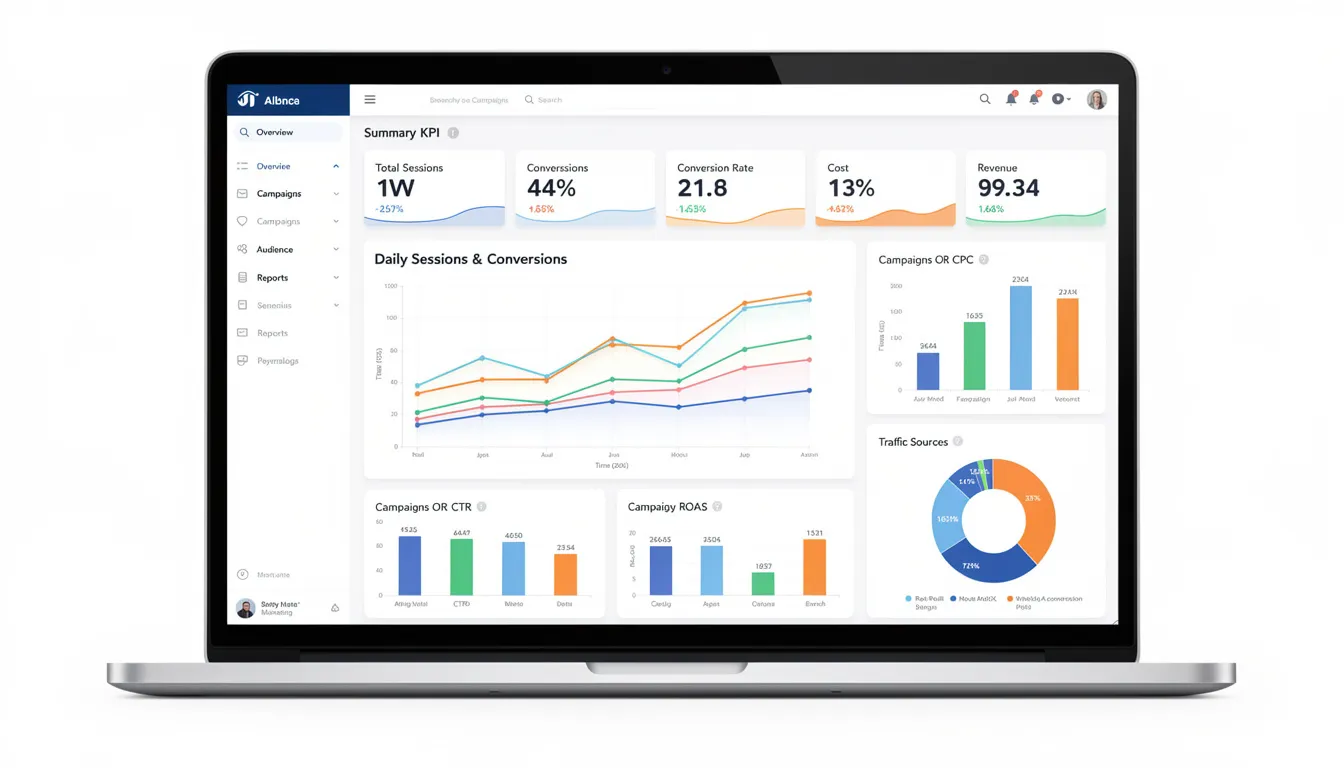
Understanding how success is measured helps you set expectations and track progress. Next, let’s discuss when it’s time to bring in a PPC consultant.
When Should You Hire a PPC Consultant?
Certain trigger points indicate it’s time to bring in expertise:
Rising Spend Without Results
If you’re spending $2,000–$5,000+ monthly on ad spend with no clear improvement in leads or sales, something’s broken. A consultant can diagnose whether the issue is targeting, messaging, landing pages, or tracking.
Internal Team at Capacity
Your marketing team handles social media, email, content, and a dozen other priorities. Managing campaigns effectively requires daily attention they simply can’t provide. Research shows businesses with expert PPC management report 2x better performance than DIY approaches.
Scaling Plans
Preparing for growth phases creates complexity:
- New locations requiring geographic targeting
- New product lines needing fresh campaigns
- National expansion across Australia
- Increased budgets requiring sophisticated structure
Complex Offers or Long Sales Cycles
B2B services, SaaS products, or high-ticket offerings need:
- Nurturing sequences with remarketing
- Sophisticated tracking across touchpoints
- Longer attribution windows
- Content-driven approaches building trust
Past Agency Disappointment
If you’ve experienced “black box” agencies where you didn’t own the account, couldn’t see search terms, or never understood what was being done—a transparent consultant relationship offers a refreshing alternative.
Need for Independent Advice
Sometimes you need an external strategist to audit current efforts, challenge assumptions, and provide objective recommendations without vested interests.
If you recognize any of these signs, it may be time to evaluate potential PPC consultants. Here’s what to look for in a partner.
What to Look For in a PPC Consultant
Use this checklist when evaluating potential partners:
- Experts emphasize the importance of having proven expertise and case studies when choosing a PPC consultant.
- Proven Track Record: Ask for anonymised case studies with concrete numbers:
- “Reduced CPA by 35% over 4 months for a Melbourne eCommerce brand”
- “Increased qualified leads by 120% while maintaining target CPL for a Sydney B2B firm”
- “Scaled ad spend from $5K to $20K monthly with consistent ROAS for Brisbane retailer”
- A Google Ads consultant should demonstrate results, not just activity.
- Platform Certifications: Baseline credentials include:
- Google Ads certification (Search, Display, Video, Shopping)
- Microsoft Advertising certification
- Meta Blueprint certification
- Google Analytics certification
- Transparent Access: Non-negotiable: all ad campaigns run in your own accounts with full admin access. You own everything. Period.
- Clear Communication: A good PPC strategist explains complex concepts in plain language. Look for:
- Regular calls (monthly minimum)
- Written summaries with actions
- Responsiveness to questions
- Proactive problem identification
- Transparency and communication are vital; clients should receive regular, clear reporting on key performance indicators (KPIs).
- Strategic Thinking: They should ask about:
- Your margins and profitability thresholds
- Sales team capacity to handle leads
- Customer lifetime value
- Competitive positioning
- Not just “what’s your budget?”
- No Long Lock-In Contracts: Preference rolling or short-term agreements:
- 6-month initial engagement
- Month-to-month thereafter
- Clear exit terms
- Avoid 12+ month lock-ins that remove accountability.
- Ethical Expectations: Honest consultants:
- Don’t guarantee specific rankings or results
- Provide realistic projections with scenarios
- Explain risks and dependencies
- Focus on what they can control
Once you know what to look for, it’s important to understand how consultants charge for their services.
Typical PPC Consultant Engagement Models & Costs
Exact pricing varies based on scope, but here are realistic ranges for the Australian market.
The fee structure for PPC consultants may include a flat fee, hourly rate, or a percentage of ad spend.
Hourly Consulting
Best for:
- One-off audits
- Strategy sessions
- In-house team training
- Specific problem-solving
Indicative rates: $150–$350/hour AUD depending on experience and complexity.
Monthly Retainer
Fixed monthly fee scaled to ad spend:
| Monthly Ad Spend | Typical Management Fee |
|---|---|
| Under $5K | $1,000–$1,800 |
| $5K–$20K | $1,800–$4,000 |
| $20K–$50K | $3,500–$7,000 |
| $50K+ | Custom/negotiated |
Project-Based
One-off engagements:
- Account setup: $2,000–$5,000
- Full restructure: $3,000–$8,000
- Rescue/turnaround project: $4,000–$10,000
Delivered over 4–8 weeks with defined deliverables.
Performance Considerations
Be cautious with pure percentage-of-spend models (e.g., 15% of ad spend). These can incentivise consultants to recommend higher spending without accountability for results. Flat retainers with performance bonuses often align interests better.
What’s Included
Management fees should cover:
- Daily/weekly optimisation
- Search term management
- Bid and budget adjustments
- Ad testing and iteration
- Monthly reporting and meetings
- Strategic planning and recommendations
Not just “maintenance.”
With a clear understanding of costs, let’s look at how to get started with a PPC consultant.
Getting Started With a PPC Consultant
Ready to explore working with a PPC specialist? Here’s how to make the first step productive:
1. Prepare Before Initial Contact
Gather basic information:
- Current monthly ad spend (if any)
- Main products or services to promote
- Target locations (cities, states, national)
- Goals (leads, sales, brand awareness)
- Past results or frustrations
2. Free or Paid Audit
Most consultants offer initial assessments:
- Free audits: High-level review identifying obvious issues
- Paid audits: Comprehensive analysis with prioritised action plan
Evaluate whether recommendations are practical, data-backed, and specific to your situation.
3. Goal-Setting Session
Agree on concrete objectives:
| Timeframe | Example Goals |
|---|---|
| 3 months | Reduce CPA by 20%, establish tracking baseline |
| 6 months | Scale spend 50% while maintaining target CPA |
| 12 months | Expand to new channels (Bing, LinkedIn) |
4. Onboarding Checklist
Be prepared to provide:
- Admin access to ad accounts
- Google Analytics access
- CRM access (if relevant)
- Website CMS access for landing page changes
- Historical performance reports
5. First 90 Days Plan
A good consultant provides a transparent roadmap with clear milestones:
- Week 1–2: Audit and quick fixes
- Week 3–4: Restructure and launch optimised campaigns
- Month 2: Intensive testing and refinement
- Month 3: Scale winners, cut losers, review strategy
6. Your Next Step
If you’re spending money on digital marketing services and not seeing clear results, a conversation with an experienced PPC consultant costs nothing and could save you thousands in wasted website traffic.
Book a strategy call focused on identifying whether there’s a good fit—no pressure, no obligation. Come prepared with your current situation and goals, and you’ll leave with actionable insights regardless of whether you work together.
The difference between campaigns that generate leads and campaigns that drain budgets often comes down to expertise, attention, and accountability. A dedicated PPC consultant brings all three.
